3 hr
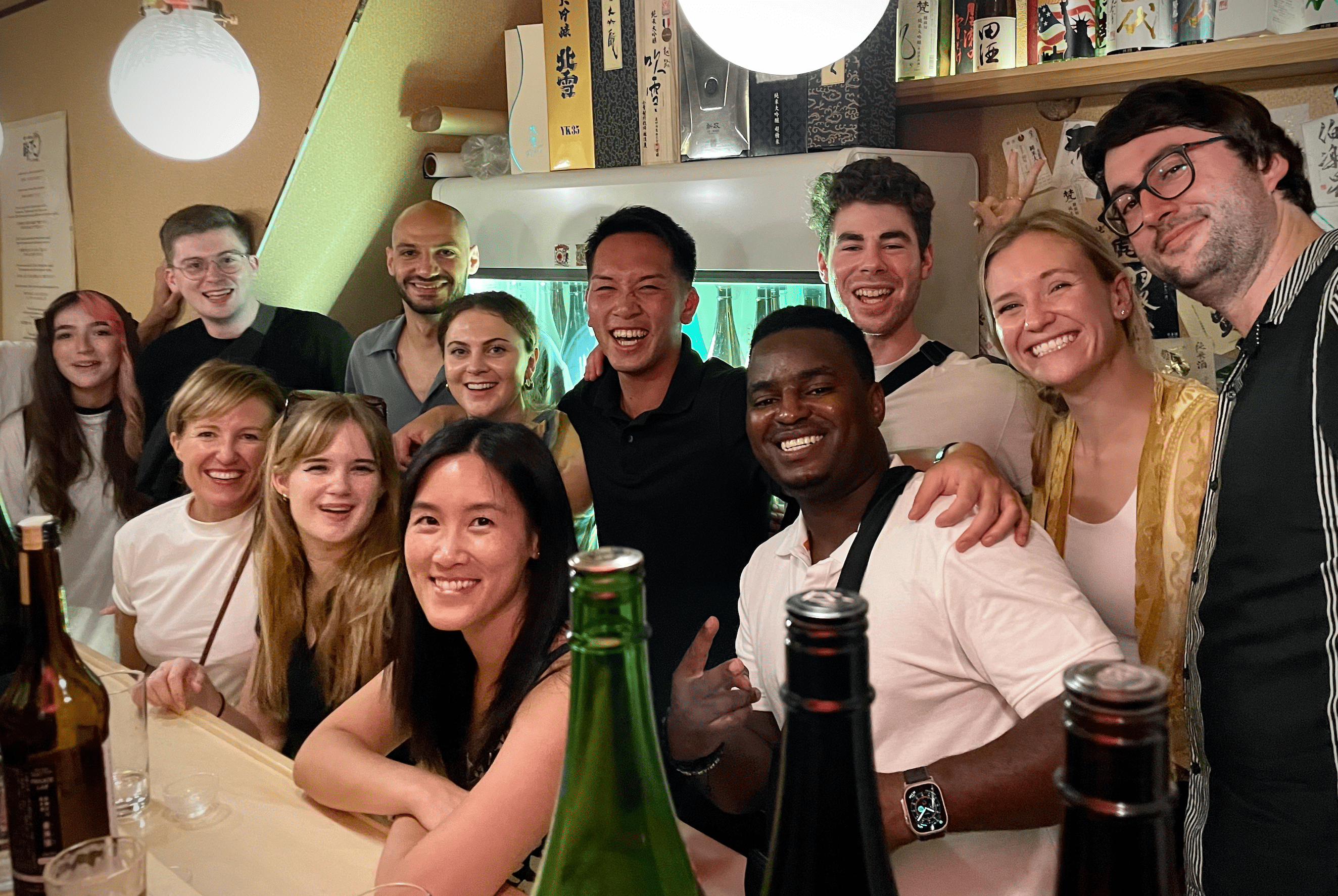
Shinjuku Local Bar & Izakaya Crawl
Follow a Tokyo local through Shinjuku's backstreets for hidden izakayas, secret bars, and karaoke.
Reserve
Hand-picked by our editors — only the best 5 sake experiences from 27 reviewed.
Verified partners for every tour, free cancellation where available, and instant confirmation on every booking.
3 hr
Follow a Tokyo local through Shinjuku's backstreets for hidden izakayas, secret bars, and karaoke.
Reserve
1 hr 10 min
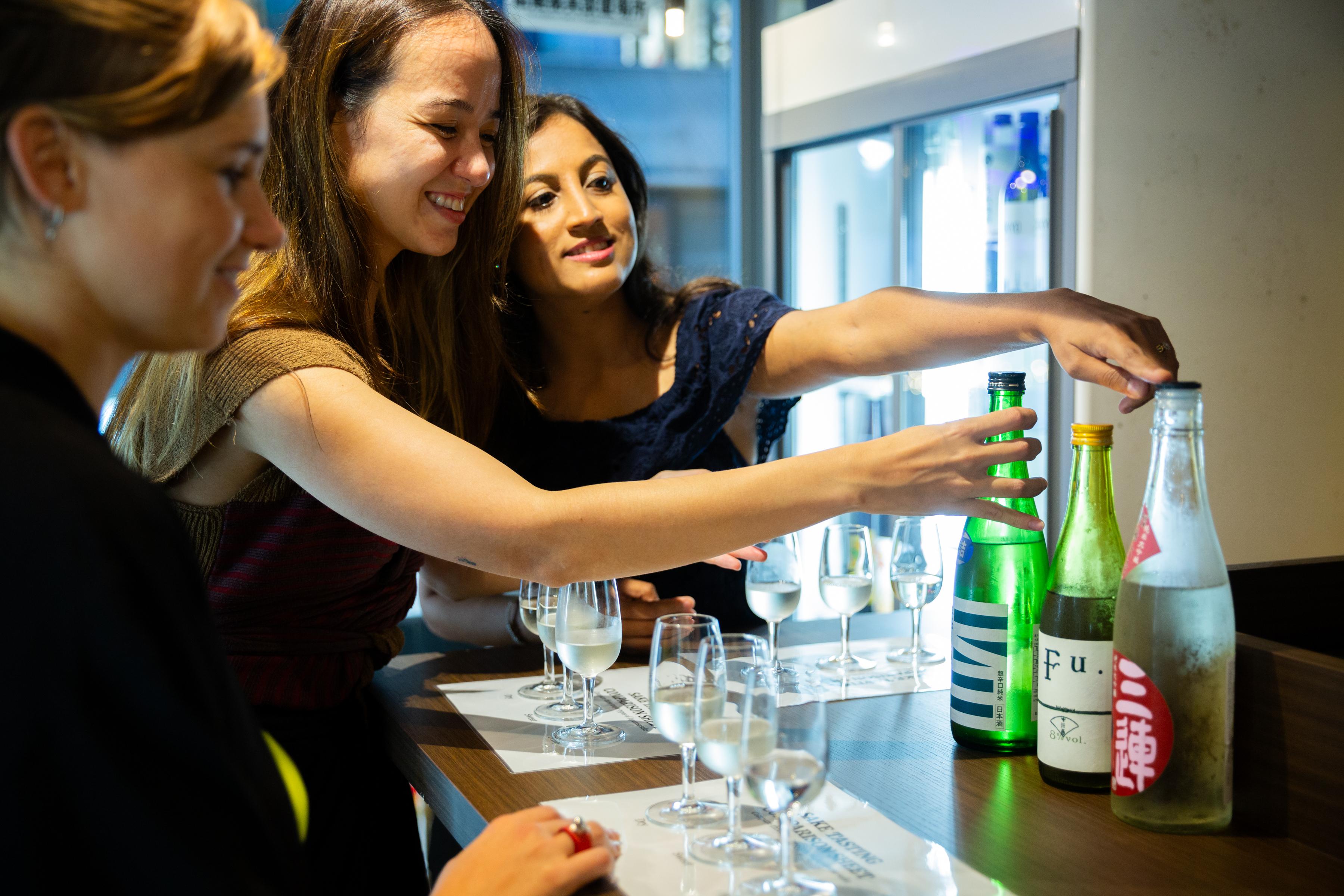
Sample 50+ Japanese sakes with a local expert near Shibuya Crossing, snacks optional.
Reserve
1 hr 45 min
Explore Japanese sake culture through expert-led tasting of 10 premium varieties at award-winning WASAKE studio
ReservePrices from verified partners. Availability updates in real time at checkout. Free cancellation policies apply where shown.
The landmarks, rooms, and views travelers on this tour remember — all visible on a single visit.
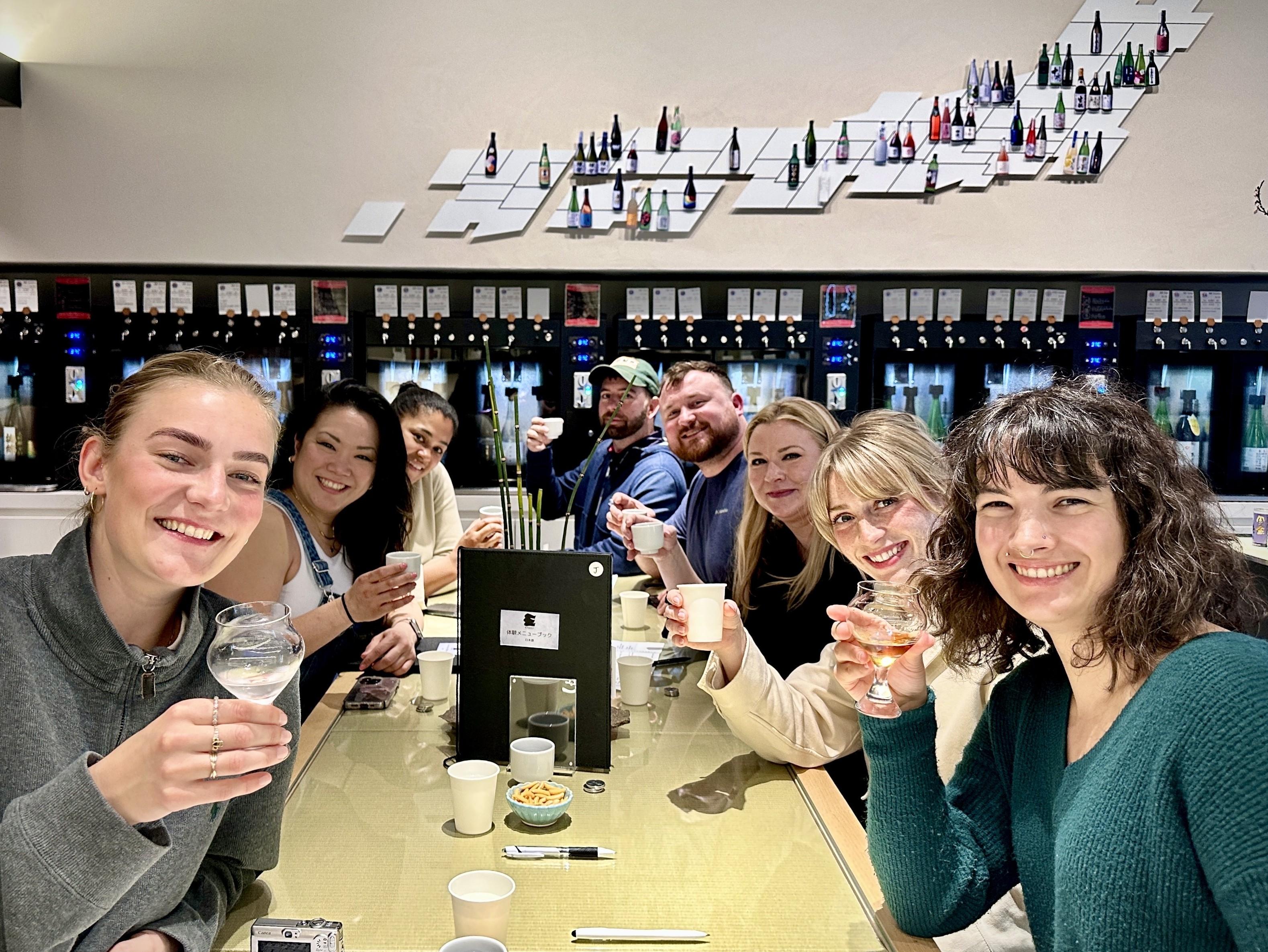
A dedicated space to sample curated flights. The counter features over 10 different types of regional sake.
They complement each other; most visitors who do both call the focused educational sessions of a sake tasting bar tokyo more revealing for connoisseurs, while izakaya crawls offer a more thrilling immersion into nightlife. Choosing between these sake tasting bar tokyo tours depends on whether you prioritize refined beverage appreciation or the energetic atmosphere of Shinjuku.
| Feature | Top pick Sake Tasting in Tokyo | Shinjuku Izakaya Crawl |
|---|---|---|
Primary Focus |
Nihonshu education and sensory analysis | |
Atmosphere |
Quiet, professional, and intimate | |
Learning Depth |
High with detailed craft production notes | |
Social Interaction |
Low, focused on individual or pair tasting | |
Food Pairing Style |
Light snacks or BYO-style options | |
Price Point |
0 JPY entry plus individual glass costs | |
| See tickets → |
Verdict: Opt for this sake tasting bar tokyo tour if you seek quiet mastery of fermentation profiles, or select the crawl if you prefer social exploration through multiple sake tasting bar tokyo tickets.
Choose your ticket, select your date, and reserve in under two minutes. Secure checkout handled by our verified partner.
Instant confirmation by email, with a mobile voucher you can save offline. No printing, no queuing at a collection desk.
Arrive at the entrance, show your voucher on your phone, and walk in. Most tickets include priority or skip-the-line access.
Practical details for your visit straight from our verified partners — hours, access, rules, and how to get there.
1-2-12, Yushima, Bunkyo City
Meet outside the main doors
Take the JR Chuo or Sobu Line to Ochanomizu Station. It is a short walk from the station to the sake tasting bar tokyo.
Take the Tokyo Metro Chiyoda Line to Yushima Station. The site is a brief walk from Exit 2.
Casual attire is appropriate for this sake tasting bar tokyo venue. No specific dress code is enforced, but smart casual is common.
Large luggage cannot be accommodated within the sake tasting bar tokyo facility. Please store suitcases at nearby train station lockers before arrival.
Photography of your sake tasting flight is permitted at this sake tasting bar tokyo. Please be mindful of other guests and staff privacy.
The venue is located on the ground floor, though space is compact. Visitors using mobility aids should contact the sake tasting bar tokyo staff in advance.
Mobile phone use is permitted for capturing memories of your sake tasting bar tokyo visit. Please keep voices low to maintain the atmosphere.
Children are permitted, but please note the primary focus is adult beverage consumption. Supervise children at all times within the sake tasting bar tokyo.
Small snacks may be available, but this sake tasting bar tokyo primarily focuses on nihonshu. Outside food and beverages are strictly prohibited.
Pets are not permitted inside the sake tasting bar tokyo premises. Service animals may be allowed with prior notification.
The sake tasting bar tokyo staff are highly knowledgeable about regional rice polishing ratios. Ask questions to deepen your appreciation of the craft.
Best time to go, insider tips, nearby landmarks, and the cancellation fine print — flip through to skim what matters to you.
How crowds, weather, and events shift across the year.
October offers mild weather perfect for walking to the sake tasting bar tokyo. Enjoy seasonal sake releases that reflect the fall harvest.
March and April feature sakura-themed sake tastings. These months are popular for those enjoying a sake tasting bar tokyo visit.
January and February are ideal for warm sake options. Crowds are often thinner, allowing for a relaxed pace.
June to August includes refreshing summer sake varieties. Air conditioning provides a cool escape from the Tokyo heat.
Small details that turn a good visit into a great one.
Visit between 12:00–19:00 to secure a seat at the sake tasting bar tokyo. Early arrival helps you avoid the busy evening rush.
The staff are experts on Japanese rice wine. Use your sake tasting bar tokyo visit to learn about different brewing regions.
Compare the available tasting sets on the official site before arrival. This saves time when ordering at the sake tasting bar tokyo.
Bring a small notebook to record your favorite flavors. This is a common habit among sake tasting bar tokyo enthusiasts.
Drink water between your sake servings. This is a standard practice at any quality sake tasting bar tokyo.
Non-bookable sights within a short walk — free to visit, easy to pair.
A historic Shinto shrine famous for its plum blossoms. It is a peaceful destination near the sake tasting bar tokyo.
An ancient shrine with striking red architecture. It serves as a cultural contrast to the nearby sake tasting bar tokyo.
A sprawling public space featuring museums and a large pond. It is a great place to walk after your sake tasting bar tokyo experience.
Houses an extensive collection of Japanese art and artifacts. It is located just north of the sake tasting bar tokyo area.
Flexible, no hidden fees.
The venue charges 0 JPY for entry. Cancellations for pre-booked tasting sets must be made according to the specific platform terms provided at the time of booking.
Hand-picked options within walking distance — pick a district for vibe, or a specific hotel for convenience.
A quiet hotel with traditional garden views.
Comfortable lodging near the sake tasting bar tokyo.
Explore various local inns and boutique stays nearby.
Tokyo holds more than twelve hundred licensed sake brewers within a hundred-kilometer radius, yet few cities concentrate as many specialist tasting bars in a single district. Ochanomizu, Shibuya, and Asakusa anchor the capital's nihonshu culture, each neighborhood hosting standing bars, seated counters, and temperature-controlled cellars where sommeliers pour single-prefecture flights alongside seasonal tsumami. The practice traces to Edo-period sake merchants who stored regional shipments in Kanda warehouses before distributing casks to teahouses and inns. By the early twentieth century, izakaya operators began offering vertical tastings—three grades from one kura—to educate drinkers on polishing ratios and yeast strains. Post-war economic growth brought refrigerated transport, enabling bars to stock nama-zake and unpasteurized genshu year-round. Today's sake tasting bar Tokyo venues range from four-seat counters in Yushima to sixty-bottle rotating menus in Shibuya, each calibrated to a different segment of the polishing spectrum. Modern tasting formats divide into omakase flights, regional comparisons, and single-brewery deep dives. Omakase sequences typically open with a light junmai or honjozo, progress through ginjo and daiginjo, and close with an aged koshu or sparkling nigori. Regional sets isolate prefectures—Niigata's clean Echigo styles, Hiroshima's soft-water profiles, Akita's floral aromatics—to illustrate terroir influence on flavor. Single-brewery tastings present three to five labels from one kura, demonstrating how milling rate, water source, and fermentation temperature shift a house style. Specialist guides at sake tasting bar Tokyo tours decode SMV numbers, acidity curves, and amino-acid content, translating technical data into sensory cues. Pairings extend beyond yakitori and edamame: ankimo with aged yamahai, uni with sparkling nigori, Kyoto pickles with kimoto. The Yushima flagship—Lions Plaza Ochanomizu—stocks over two hundred labels rotated monthly, with sommeliers trained under the Sake Service Institute's advanced certification. Its standing counter accommodates twelve guests; seated flights run five to eight pours, each forty-five milliliters. Shibuya and Asakusa venues favor intimate six-seat setups, where guides narrate brewing lineage and kura philosophy between pours. Autumn months bring hiyaoroshi releases—sake aged through summer and shipped in September—while spring showcases shinshu, the season's first pressings. Evening slots from eighteen hundred onward fill quickly; midday and early-afternoon windows offer quieter tastings with the same selection depth. Mobile reservations confirm instantly, and cancellations process without penalty up to twenty-four hours prior.

"Tokyo holds more than twelve hundred licensed sake brewers within a hundred-kilometer radius, yet few cities concentrate as many specialist tasting bars in a single district."
A step-by-step walkthrough of the visit — what you'll see, how long each stage takes, and the details that matter.
You step into the Ochanomizu venue just after noon, when the standing counter is still quiet and the sommelier has time to walk you through the day's featured prefectures. The first pour—a junmai from Niigata—arrives in a chilled glass alongside a small dish of salted squid. You note the clean finish, the faint melon on the nose. The guide explains the milling ratio, shows you the polishing chart, then pours a ginjo from the same kura. The difference is immediate: lighter body, floral lift, less grain weight. You move through five glasses over forty minutes, each paired with a different tsumami—ankimo, pickled daikon, grilled miso eggplant. In Shibuya, the format shifts. You sit at a low counter with five other guests, and the specialist builds an omakase flight around seasonal hiyaoroshi. The first sake is amber, aged eighteen months; the second, a sparkling nigori that fizzes against your palate. Between pours, the guide describes the kura's well water, the ambient yeast strain, the decision to ferment at low temperatures. You taste umami in the aged bottle, sweetness in the nigori, a mineral thread in the final daigingo. By the time you leave, you have a shortlist of labels to seek out and a clearer sense of what polishing rate suits your palate.
The sake tasting bar tokyo is open Tuesday to Sunday, with varying hours up to 22:00 on Fridays and Saturdays. It is closed every Monday.
The venue offers ground floor access, though the sake tasting bar tokyo space is intimate. Contact staff for specific needs.
Due to limited space at the sake tasting bar tokyo, please leave large luggage at station lockers.
Yes, you are welcome to photograph your experience at the sake tasting bar tokyo.
The best arrival window is 12:00–19:00 for the best sake tasting bar tokyo experience.
There is no strict dress code for the sake tasting bar tokyo; casual wear is perfectly fine.
Only small snacks may be available at the sake tasting bar tokyo. External food is not permitted.
The sake tasting bar tokyo is best reached via Yushima or Ochanomizu stations.
Children are allowed, though the sake tasting bar tokyo focus is on adult beverages.
Please refer to your booking platform for cancellation terms regarding your sake tasting bar tokyo tickets.