
English| EUR
Suggested for you
More currencies
Choose a language
Sake is brewed like beer but sipped like wine, which is why its flavour resists easy shorthand. A street-level tasting counter in Nishishinbashi, run by the country's brewers' association, lets visitors test that comparison for themselves. This page explains the vocabulary of nihonshu, from koji and polishing to junmai and daiginjo, before a Tokyo sake tasting session begins.
Quick answer
Japanese sake tastes less like a spirit and more like a still, dry white wine: soft, savoury and rice-sweet rather than sharp. The range is wide, which is why the Nishishinbashi tasting room charges 0 JPY (free entry) and opens 10:00–18:00 on weekdays. Chilled junmai reads crisp; warmed sake reads rounder. Grade, polishing and serving temperature matter more than brand.
Sake is brewed, not distilled. The difference matters: rice starch cannot ferment on its own, so brewers inoculate steamed grain with koji mould, which converts starch to sugar while yeast is already at work. No wine is made this way. Brewing and saccharification run in the same tank, a technique Japanese brewers refined over centuries. That parallel fermentation is why visitors who ask what does japanese sake taste like rarely receive a one-word reply. Before brewing, the grain is milled, and a daiginjo may lose more than half its mass to polishing. Grade names such as junmai, honjozo, ginjo and daiginjo describe that milling and whether distilled alcohol was added; they are not quality rankings. Two bottles from one brewery can read as entirely different drinks. Tokyo makes the comparison easy. The Japan Sake and Shochu Makers Association keeps a public information centre at 1-6-15 Nishishinbashi, Minatoku, a short walk from Shinbashi and Toranomon. Bottles from breweries across the country sit beside labels explaining nihonshu-do, the sake meter value that signals dry against sweet. Signage runs in Japanese and English. Admission is free, and the counter keeps office-district hours. Pours arrive in small ochoko cups rather than wine glasses, and the same brew is often offered at two temperatures so the shift is impossible to miss. For many travellers the centre is the first stop on a longer Tokyo sake tasting tour that later takes in Kanda bottle shops, standing bars near Yurakucho, or a brewery day trip beyond the city. The practical lesson is that taste questions are really serving questions. Temperature, vessel and food pairing move a single bottle further than any grade label on the neck. Travellers are advised to try one sake chilled and the same bottle warmed before concluding they dislike the category. Noting the rice variety helps too: Yamada Nishiki carries a great many premium labels and makes a useful fixed point for later purchases. Readers who want more structure than a self-guided walk past the displays will find guided sessions, sommelier-led flights and brewery excursions listed on the booking pages of this site. Anyone still wondering what does japanese sake taste like will learn more from three glasses poured side by side than from any written tasting note.
“Taste questions about sake are really serving questions: temperature and vessel move a bottle further than the grade on the label.”
Understanding what Japanese sake tastes like involves exploring a delicate balance of sweetness, acidity, and umami. This profile is heavily influenced by the extent of rice polishing and the specific fermentation process.
The Sake Meter Value (SMV) indicates whether a sake is sweet or dry, with positive numbers denoting drier profiles and negative numbers indicating sweetness.
Acidity in sake prevents the flavor from feeling cloying, adding a crispness that cleanses the palate after each sip.
Sake contains significantly higher levels of amino acids than wine, contributing to a savory, full-bodied mouthfeel known as umami.
Polishing away the outer layers of the rice grain removes proteins and fats, resulting in a cleaner, more floral or fruity aroma in the finished sake.
Sake labeled as Junmai is made exclusively from rice, water, koji, and yeast, typically yielding a richer, more rice-forward flavor profile.
Sake classified as Ginjo or Daiginjo undergoes lower-temperature fermentation, which preserves delicate esters that taste like apple, pear, or melon.
The facility is open during the work week to accommodate visitors interested in learning about sake flavor profiles. Please note that the center is closed on weekends.
To fully explore the nuances of sake flavor profiles, the best arrival window is 10:00–17:30. Visiting during this period helps avoid mid-day crowds and ensures sufficient time to engage with the displays.
—
Arriving at 10:00 allows for a focused, quiet experience to study flavor profiles.
—
Traffic increases during the middle of the day; aim to arrive early to maintain a steady pace.
—
Arriving by 17:30 ensures enough time to complete your research before the facility closes.
Verdict: The best time to visit is Monday through Friday between 10:00 and 17:30 to avoid peak mid-day congestion.
The center is located at 1-6-15 Nishishinbashi, Minatoku, Tokyo 105-0003 Japan. The most efficient way to reach the facility is via the Tokyo Metro Ginza Line or the Toei Mita Line.
Tokyo Metro Ginza Line to Toranomon Station
Toei Mita Line to Uchisaiwaicho Station
From JR Shimbashi Station
Use the exits specifically marked for Nishishinbashi to minimize navigation time through the complex street layout.
Refining your palate requires attention to how temperature and food pairings fundamentally alter the flavor profile of Japanese sake.
Sake transforms across a wide range of temperatures; try chilled sake to highlight crisp acidity, or gently warmed sake to reveal deeper umami and sweetness.
Tilt your glass to observe the viscosity and smell the sake before tasting; floral and fruity notes typically emerge from ginjo styles, while rice-forward scents often indicate honjozo or junmai.
Pair high-acidity sake with salty or fried foods to cleanse the palate, and match richer, umami-heavy sake with soy-based or cooked dishes.
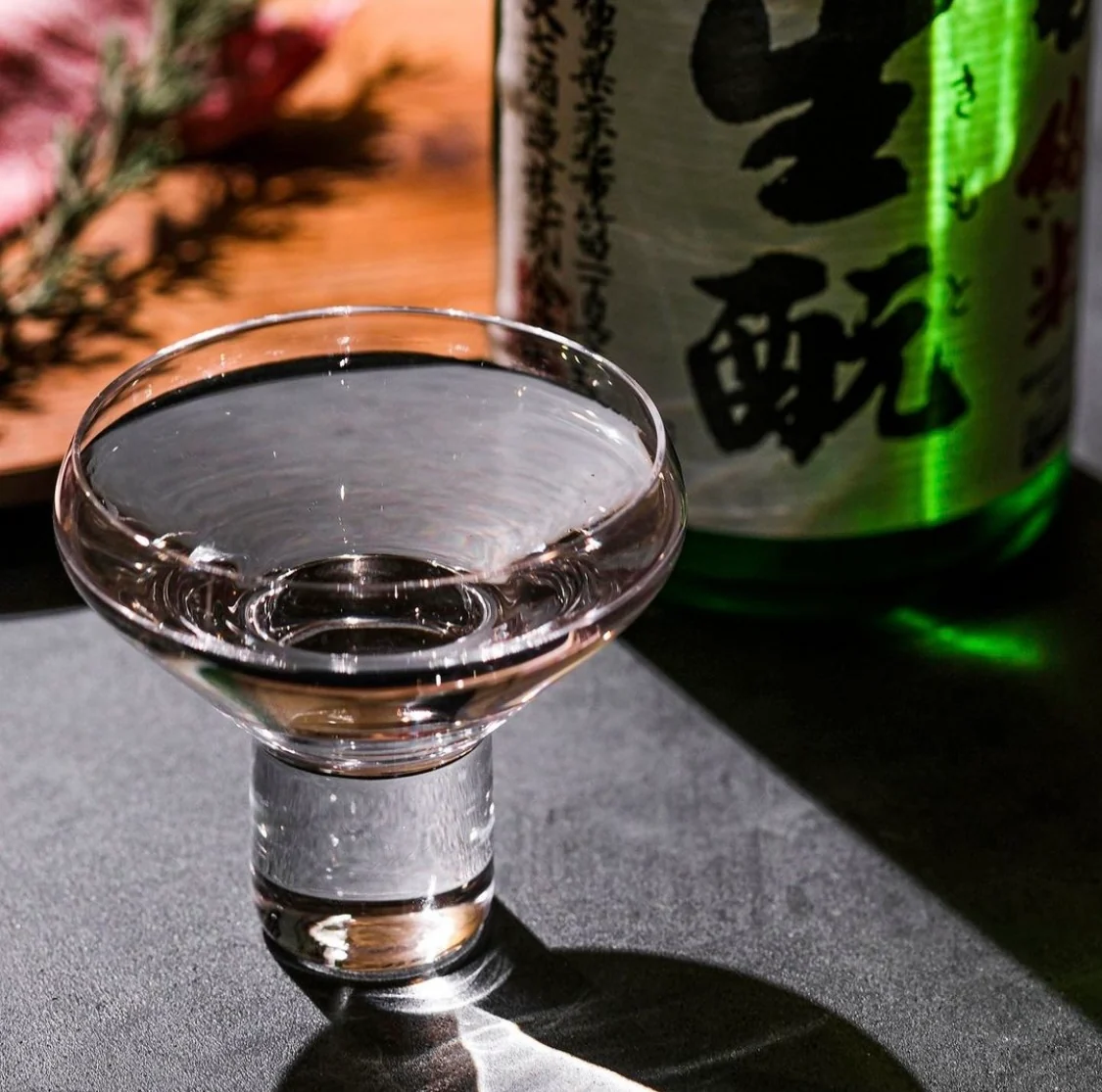
Using traditional ochoko cups allows you to experience the evolution of flavor as the liquid warms slightly from your body heat while you sip.
Water is essential between tastings to neutralize residual flavors, allowing you to accurately distinguish the subtle differences between various rice polishing ratios.
Everything you need to know about what does japanese sake taste like
Japanese sake generally offers a delicate balance of sweetness, acidity, and umami, often with notes of fruit, grain, or earth. Since what does japanese sake taste like varies by brewing method, visitors often find the diversity of the beverage surprising. Many people wonder what does japanese sake taste like before experiencing the refined profile of a premium junmai or ginjo.
Yes, higher polishing ratios often lead to cleaner, more floral, and aromatic qualities. Understanding this process helps clarify what does japanese sake taste like when comparing different grades of the drink.
Entry to the Japan Sake and Shochu Information Center is 0 JPY. You can explore the displays and learn about different varieties without an entrance fee.
The center is open from 10:00 to 18:00, Monday through Friday. It is closed on Saturdays and Sundays, so plan your visit during the work week.
While there is no formal ritual for casual tasting, it is polite to hold your glass with both hands when being served. Focus on the aroma before your first sip to fully appreciate the complex flavor profile.
The facility is accessible, though the focus is on educational exhibits regarding alcohol production. Please keep in mind that the primary purpose is the promotion of sake and shochu culture.
To avoid mid-day crowds and ensure ample time to explore, the best arrival window is between 10:00 and 17:30. This ensures a relaxed experience before the doors close at 18:00.
The center is located at 1-6-15 Nishishinbashi, Minatoku, Tokyo 105-0003 Japan. It is easily accessible within the city for those interested in exploring the heritage of this traditional beverage.
Best Sake Tasting Bars in Tokyo
Read more Tickets & toursSake Tasting in Shibuya
Read more Tickets & toursTokyo Sake Brewery Tours
Read more Tickets & toursPrivate Sake Tasting Experiences
Read more GuideBringing Sake Home: Customs and Tips
Read more Tickets & toursSake Tasting in Shinjuku
Read more GuideHow to Taste Sake: A Beginner's Guide
Read more